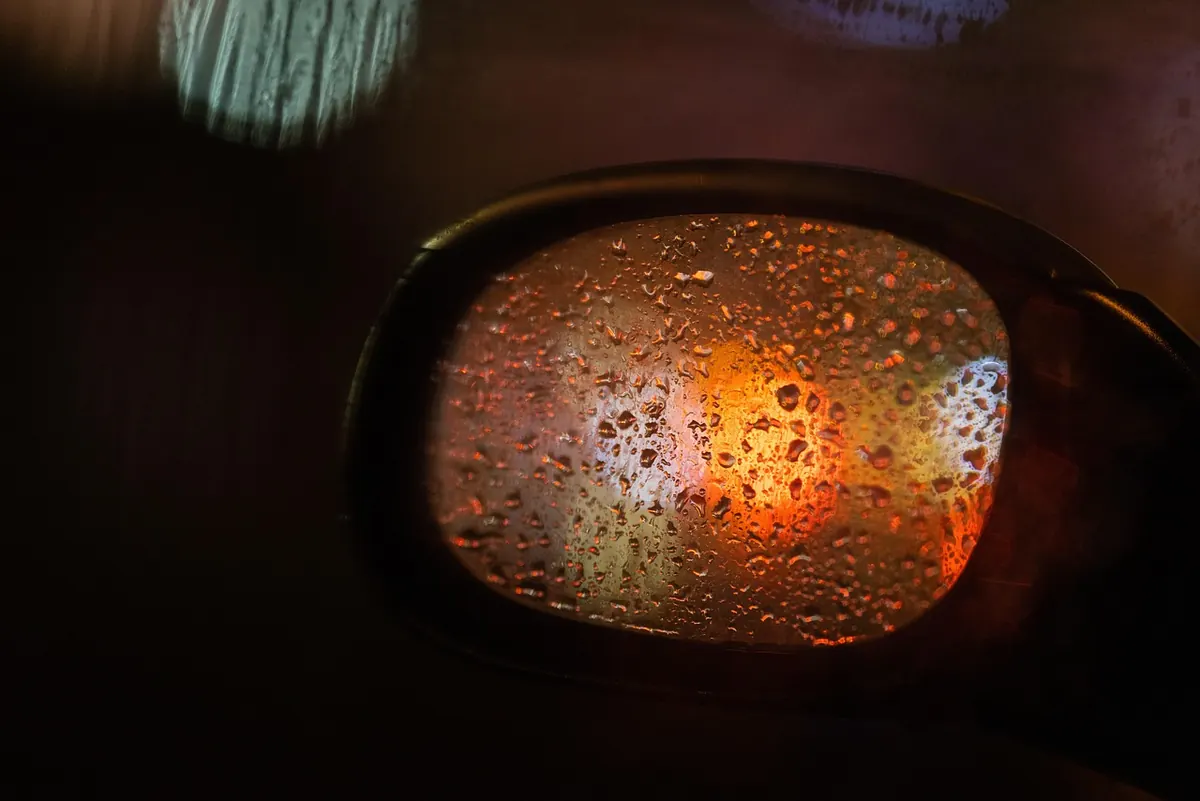
Fog on a lens never appears at a convenient moment. It arrives when you open a hot oven door, when you pull on a helmet, or when you lean over a basin in a cold bathroom. Anti-fog spray is usually the first thing people reach for, and it is also where a lot of money gets wasted. A bottle that transforms one pair of glasses can leave another pair streaked, hazy or permanently smeared.
Buying your first bottle comes down to three things: what the spray is made of, what your lenses are coated with, and how much patience you have for drying and buffing. Get those in order and the rest of the shelf becomes much easier to ignore.
Start with the coating, not the bottle
Almost every modern lens carries more than glass or plastic. Prescription spectacles usually have an anti-reflective layer, a hard coat and often a water-repellent or oil-repellent finish. Goggles and visors add tints and scratch-resistant films. Anti-fog products work by leaving a very thin film on top of all that, so anything in the bottle that disagrees with the coating underneath will cause problems long before it helps.
A spray can only work with the surface it is given. It cannot repair a coating it has attacked.
So the label matters more than the marketing. Look for a clear statement of compatibility — "suitable for coated lenses", "safe for polycarbonate" — and a list of ingredients. If a product is vague about both, leave it on the shelf.
What is actually in the bottle
Anti-fog sprays are built from a small number of ingredient families. Knowing them makes the choice far less mysterious.
- Surfactants. These lower the surface tension of water so droplets spread into a flat, transparent sheet instead of beading up into fog. They are the workhorses of most sprays.
- Hydrophilic polymers. These attract and hold a fine layer of moisture, keeping it spread evenly. They tend to last longer but can feel slightly tacky if applied too thickly.
- Alcohols and other solvents. These carry the active ingredients and evaporate quickly. Fast drying is convenient, but strong solvents are the part most likely to trouble delicate coatings, so check before using them on expensive lenses.
- Additives. Dyes, fragrance and preservatives do nothing for fog. They exist to make the product pleasant to use. If your eyes are sensitive, a plainer formula is usually the better bet.
You will also see cloths, wipes and dips sold alongside sprays. They often use the same chemistry in a different format, which is worth remembering if a spray turns out to be awkward to carry.
Match the spray to the eyewear
Coated prescription spectacles
This is the group where caution pays. Choose a spray explicitly described as safe for anti-reflective and hydrophobic coatings, apply it sparingly, and never scrub a dry lens. If your optician supplied a cleaning solution, that is the safest baseline to compare against.
Goggles, visors and safety eyewear
Sports goggles, ski masks, motorcycle visors and workshop safety glasses are usually made from polycarbonate, which dislikes aggressive solvents. Many manufacturers sell their own anti-fog treatment, and using it keeps you within their care instructions. If a visor or mask has a factory anti-fog coating, adding another product on top can simply smear it.
Screens, mirrors and camera optics
Not every fogging problem is a spectacle problem. Bathroom mirrors, swimming goggles and camera lenses all have different surfaces. Follow the manufacturer's guidance for those items rather than borrowing a spray meant for glasses.
Drying time is part of the product
A thin surfactant spray usually clears within seconds, which is why it suits a quick wipe before you head outside. Polymer-based formulas can take a minute or more to settle, and if you put the glasses on too early you will see a faint bloom of haze that looks like damage but is usually just an unfinished film.
The practical rule is simple: apply less than you think you need, let the lens dry completely, then buff only if the surface still looks uneven. If you find yourself buffing hard, you have used too much. Excess product builds up, attracts dust, and produces the smeary finish people blame on the spray.
Applying it without damaging the coating
- Read the label and confirm the spray suits your lens material and coatings.
- Rinse or brush away grit first. Wiping a dusty lens is how scratches happen, and no spray can undo that.
- Test on a small area near the edge of the lens, let it dry, and check for haziness or rainbow marks before treating the whole surface.
- Shake the bottle well, then apply one or two drops or a light mist. A little goes a long way.
- Spread it with a clean, dry microfibre cloth, using light pressure and no scrubbing.
- Leave the lens to dry. Finish with a gentle buff only if needed.
- Reapply when fogging returns rather than layering more product onto an already coated lens.
- Replace cloths regularly and wash them without fabric softener, which leaves its own film behind.
Work in a ventilated space, keep spray away from your eyes, and stop using anything that causes irritation. If you have a skin or eye condition, or you wear lenses for a medical reason, ask your optician or another healthcare professional before trying something new.
A simple way to choose your first bottle
Pick a spray that names your lens type, lists its ingredients, and comes in a small bottle you can test without committing to a large one. Buy a decent microfibre cloth at the same time — it will affect the result as much as the liquid does. Then apply it sparingly, let it dry, and give it a few days of real use before deciding.
Fogging is a physical problem with a physical solution, and the best first bottle is rarely the most heavily advertised one. It is the one that suits the lenses you already own and that you are willing to use properly.
Photo: Alexey Demidov / Pexels