You've cleaned your glasses, sprayed them, wiped them, and now you're looking through a lens that's fog-free but faintly smeared. It's an odd combination, and a frustrating one, because the spray is doing its job — the streaks are almost always a problem with how it was applied, not with the product itself. The fix takes about ninety seconds and needs nothing more than a clean cloth, a little patience, and a lighter hand than most of us use.
Why anti-fog spray streaks in the first place
Anti-fog sprays work by leaving a very thin film on the lens surface. That film changes how water behaves: instead of condensing into tiny droplets that scatter light, moisture spreads into an even, near-invisible sheet. Which is why the coating has to be continuous. Anywhere the film is thicker, thinner or missing altogether, light bends differently, and your eye reads that as a smear.
So streaks come from three things, usually in combination: a dirty lens underneath, too much spray, or a buffing cloth that's already holding oil and moisture. Sort those out and the finish tends to take care of itself.
Step one: clean the lenses properly
Anti-fog spray goes on last, never first. If there's skin oil, sun cream or old cleaner on the lens, the spray sits on top of it rather than spreading evenly, and it will smear the moment you buff it.
What to use
- A drop of mild washing-up liquid in lukewarm water, or a proper lens cleaning solution.
- Your fingertips — they're soft and won't scratch.
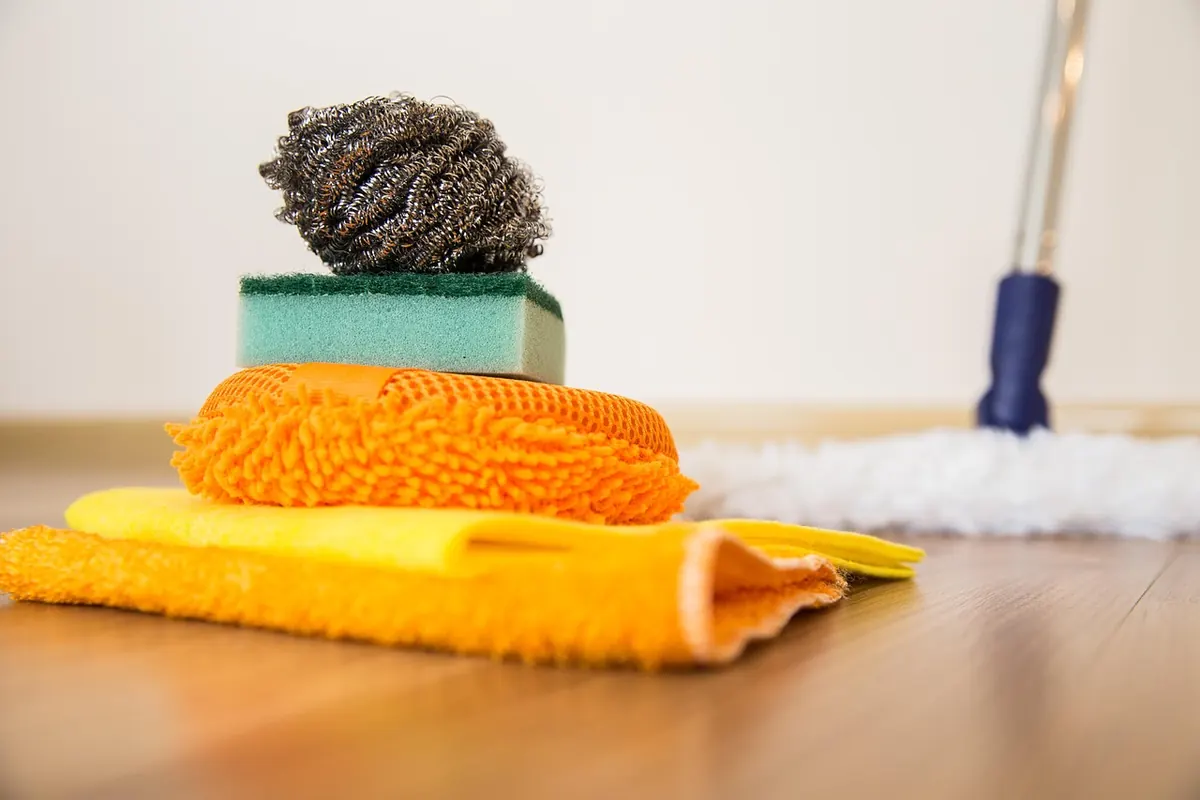
- A clean, dry microfibre cloth for drying, and ideally a second one kept for the spray itself.
What to avoid
- Paper towels, tissues and kitchen roll. Wood fibres are abrasive, and they shred on the lens.
- Hot water, which can affect some lens coatings over time.
- Shirt tails, sleeves and tea towels, which hold grit and oil.
- Spraying the frames, hinges and nose pads directly — most sprays aren't meant for those materials.
Rinse under lukewarm running water, wash both sides of each lens, then rinse again so no soap residue is left behind. Dry with a clean microfibre cloth, breathing lightly on the lens if there's a stubborn spot. Check the lens against a light at an angle: if you can see a haze or a rainbow film, keep cleaning. The lens should look invisible before you move on.
Step two: spray less than you think you need
Most streaky results start with an over-generous spray. A soaked lens takes longer to dry, and the excess pools at the edges where it dries unevenly.
- Hold the bottle about 15–20 cm from the lens — close enough to land, far enough to spread.
- Give one or two short passes across the lens. One is often enough; you're covering, not soaking.
- Turn the glasses over and repeat on the inner surface if you want fog protection on both sides.
- Wait the time the bottle recommends before you touch the lens. Instructions vary between products, so it's worth following the one in your hand.
Work over a cloth or a sink rather than a carpet, and keep the nozzle clean between uses. A clogged nozzle spits droplets instead of mist, and droplets are exactly what causes patchy coverage.
Step three: buff, and don't overdo it
Buffing is where the finish is won or lost. Use a clean, dry microfibre cloth — one that hasn't been near fabric conditioner, which leaves a residue that fights the anti-fog film.
Start with light circular passes across the whole lens, then finish with straight passes in one direction. Straight final strokes leave any remaining unevenness aligned rather than swirled, and your eye is far less likely to notice it. Keep the pressure gentle; you're spreading a film, not scrubbing a window. If you can still see wet patches, keep going with a dry part of the cloth. If the cloth starts to feel damp, switch to a fresh one.
Some sprays are designed to be buffed dry; others want a few minutes of air-drying. Either way, give the lenses a moment before you put them on — particularly in cold weather, where putting on warm glasses and stepping outside fogs them almost regardless of what's on the lens.
If the lenses are already streaky
Don't spray over a bad application. Adding more product on top of an uneven film just makes the problem thicker. Wash the lenses again with lukewarm water and a drop of washing-up liquid, dry them properly, and start from scratch with a lighter spray and a fresh cloth. In hard water areas, a final rinse with distilled or filtered water can help, since limescale leaves faint marks of its own.
If streaks persist across several careful attempts, the spray may simply not suit that lens. Anti-reflective and hydrophobic coatings vary a great deal, and some don't take anti-fog films evenly. Have a word with your optician before persevering, especially with prescription or expensive lenses — they'll know what your particular coating will tolerate.
A short routine that keeps glasses clear
Reapply when fogging starts to return rather than on a fixed schedule. It depends on humidity, how long you're wearing them and how often you clean them, because every wash takes off some of the film. Keep a small microfibre cloth in a case, wash your cloths every week or so without fabric conditioner, and store the bottle upright with the cap firmly on.
Applied lightly to a genuinely clean lens and buffed with a clean cloth, anti-fog spray should be invisible. If you can see it, it's too thick — and the answer is almost always less product, not more.
Photo: Mariakray / Pixabay